
Traumatic Brain Injury & US Military
Information courtesy of Defense and veterans brain injury center
Traumatic brain injury (TBI) is a significant health issue which affects service members and veterans during times of both peace and war. The high rate of TBI and blast-related concussion events resulting from current combat operations directly impacts the health and safety of individual service members and subsequently the level of unit readiness and troop retention. The impacts of TBI are felt within each branch of the service and throughout both the Department of Defense (DoD) and the Department of Veterans Affairs (VA) health care systems.
In the VA, TBI has become a major focus, second only to recognition of the need for increased resources to provide health care and vocational retraining for individuals with a diagnosis of TBI, as they transition to veteran status. Veterans may sustain TBIs throughout their lifespan, with the largest increase as the veterans enter into their 70s and 80s; these injuries are often caused by falls and result in high levels of disability.
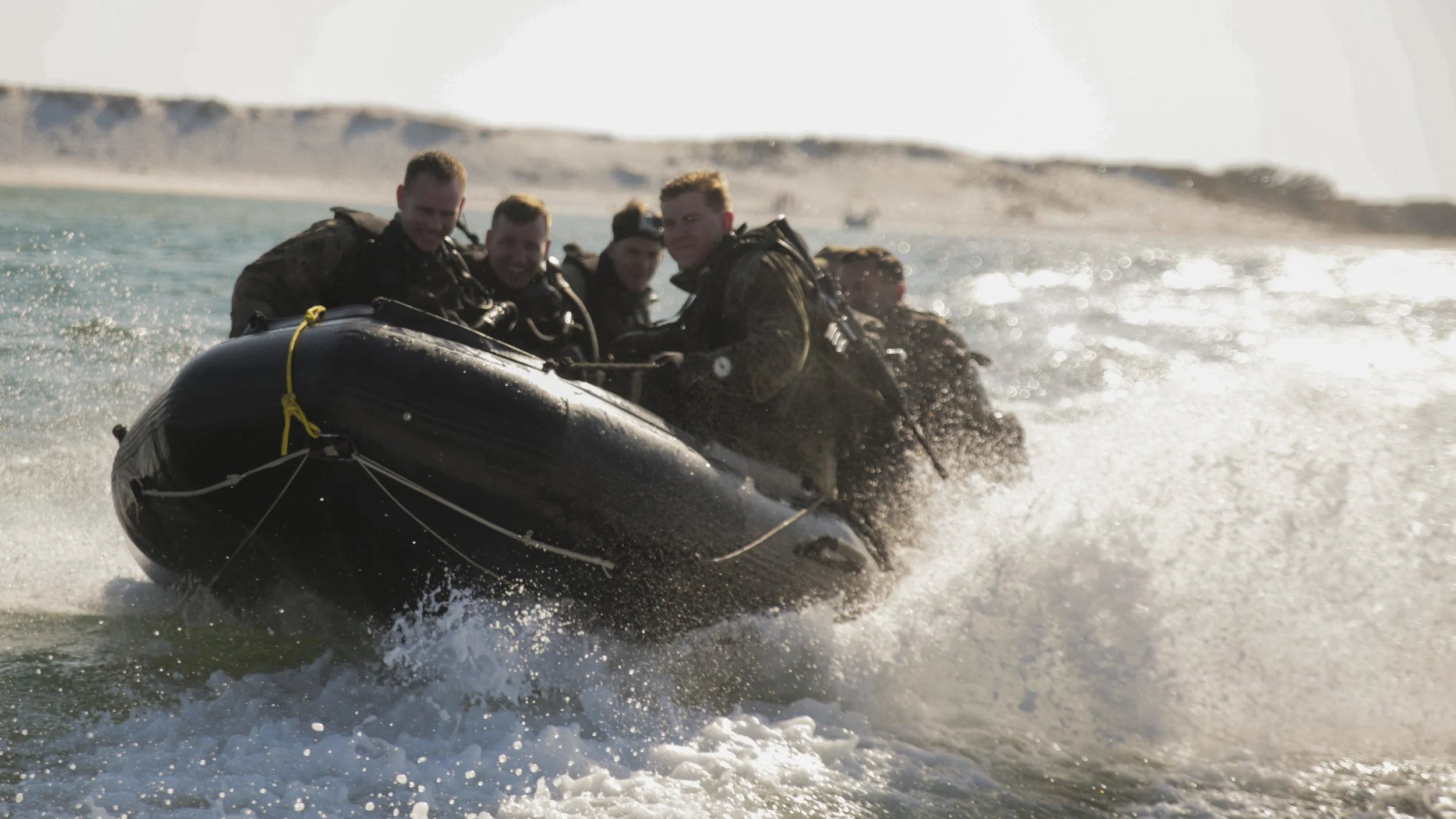
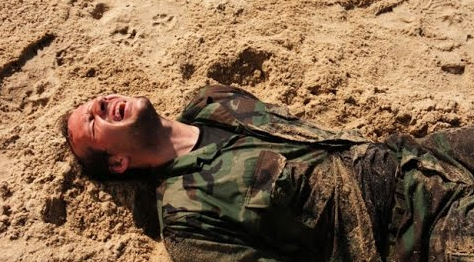
Active duty and reserve service members are at increased risk for sustaining a TBI compared to their civilian peers. This is a result of several factors, including the specific demographics of the military; in general, young men between the ages of 18 to 24 are at greatest risk for TBI. Many operational and training activities, which are routine in the military, are physically demanding and even potentially dangerous. Military service members are increasingly deployed to areas where they are at risk for experiencing blast exposures from improvised explosive devices (IEDs), suicide bombers, land mines, mortar rounds and rocket-propelled grenades. These and other combat related activities put our military service members at increased risk for sustaining a TBI.
.
Photos by U.S. Military Personnel.